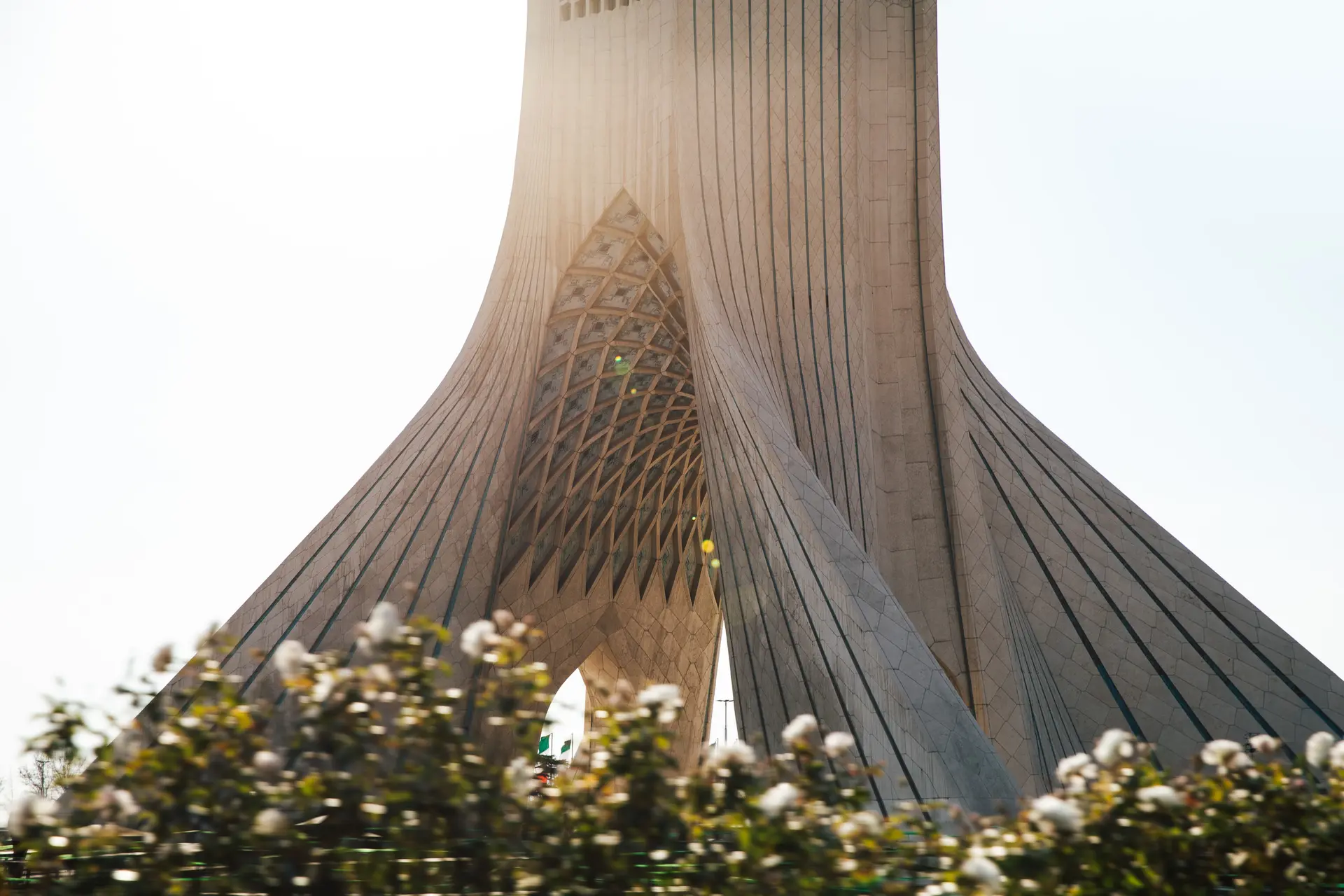

Kermanshah
Kermanshah
Gateway to Persian history and Kurdish culture
 8 highlights · tap a pin
Kermanshah is the largest Kurdish-majority city in western Iran, spread along the Zagros foothills on the ancient road between Mesopotamia and the Iranian plateau. Rich in pre-Islamic heritage, it guards two of Iran's great archaeological monuments — the Sasanian reliefs of Taq-e Bostan and the UNESCO-listed Achaemenid inscription of Bisotun — alongside lively bazaars, Kurdish music and food, and the jewel-like Qajar takyeh of Moaven al-Molk. It is the natural base for the Anahita temple at nearby Kangavar.
Next 5 days
Top places to see
- 1
Bisotun
UNESCO-listed Achaemenid inscription and reliefs. Darius I's trilingual inscription is a key historical document.
- Where
- Bisotun
- Time needed
- 2-3 hours
- Opening hours
- Verify before travel.
- 2
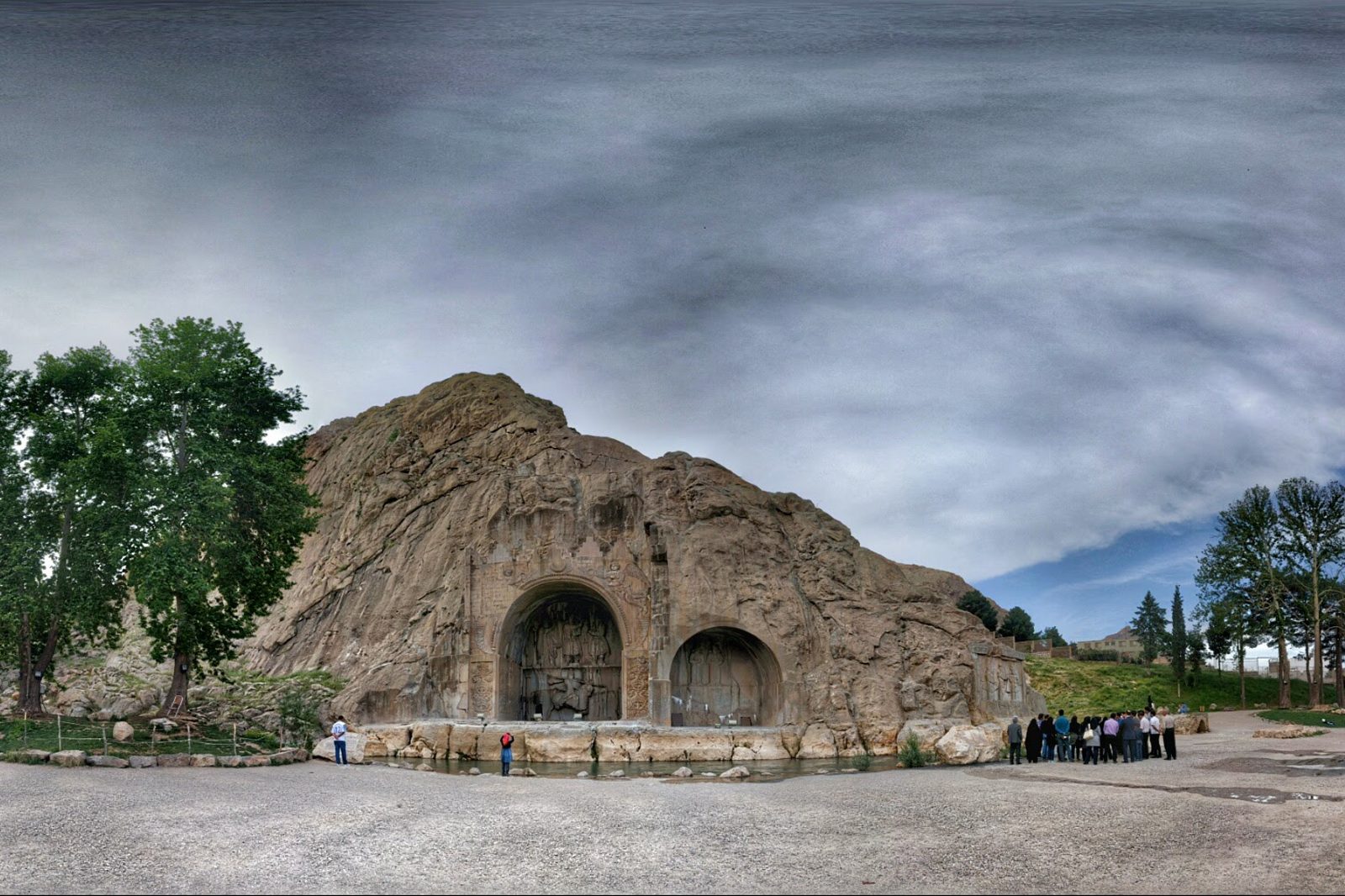
Taq-e Bostan
Sasanian rock reliefs in a scenic setting. Depicts royal hunting scenes and investiture ceremonies.
- Where
- Taq-e Bostan
- Time needed
- 1-2 hours
- Opening hours
- Verify before travel.
- 3
Tekyeh Moaven al-Molk
Qajar-era Hussainiya with vivid tilework. Features rare depictions of Shiite martyrs.
- Where
- Downtown
- Time needed
- 1 hour
- Opening hours
- Verify before travel.
- 4
Kermanshah Bazaar
Traditional market with Kurdish crafts. Authentic Kurdish textiles and spices.
- Where
- Downtown
- Time needed
- 1-2 hours
- Opening hours
- Mornings best.
- 5
Jameh Mosque
Historic mosque with Seljuk elements. Blends Seljuk and Safavid architecture.
- Where
- Downtown
- Time needed
- 30 mins
- Opening hours
- Verify prayer times.
- 6
Zagros Paleolithic Museum
Prehistoric artifacts from the Zagros region. Neanderthal tools and early human remains.
- Where
- Downtown
- Time needed
- 1 hour
- Opening hours
- Verify before travel.
- 7
Tagh-e Gara
Mountain with ancient petroglyphs. Prehistoric rock art and scenic views.
- Where
- Bisotun
- Time needed
- 1-2 hours
- Opening hours
- Hike with guide.
- 8
Shafei Jameh Mosque
Sunni mosque with unique architecture. Rare Sunni mosque in a Shiite-majority city.
- Where
- Downtown
- Time needed
- 30 mins
- Opening hours
- Verify prayer times.
- 9
Bisotun Big Wall
Iran's tallest rock wall — a limestone big-wall beside the UNESCO Bisotun reliefs. Iran's flagship big-wall, host of an international big-wall festival, next to a UNESCO site.
- Time needed
- Full day+
Where to stay in Kermanshah
From $8 a night, our service included