
Travel service
Money in Iran — Exchange, Cash & Tourist Debit Card
Everything about money, from one team: straight answers on how much cash to bring, market-rate exchange at licensed shops, a prepaid Iranian debit card in your name — and USD/EUR cash delivery when you need it. Your Visa and Mastercard will not work anywhere in Iran.
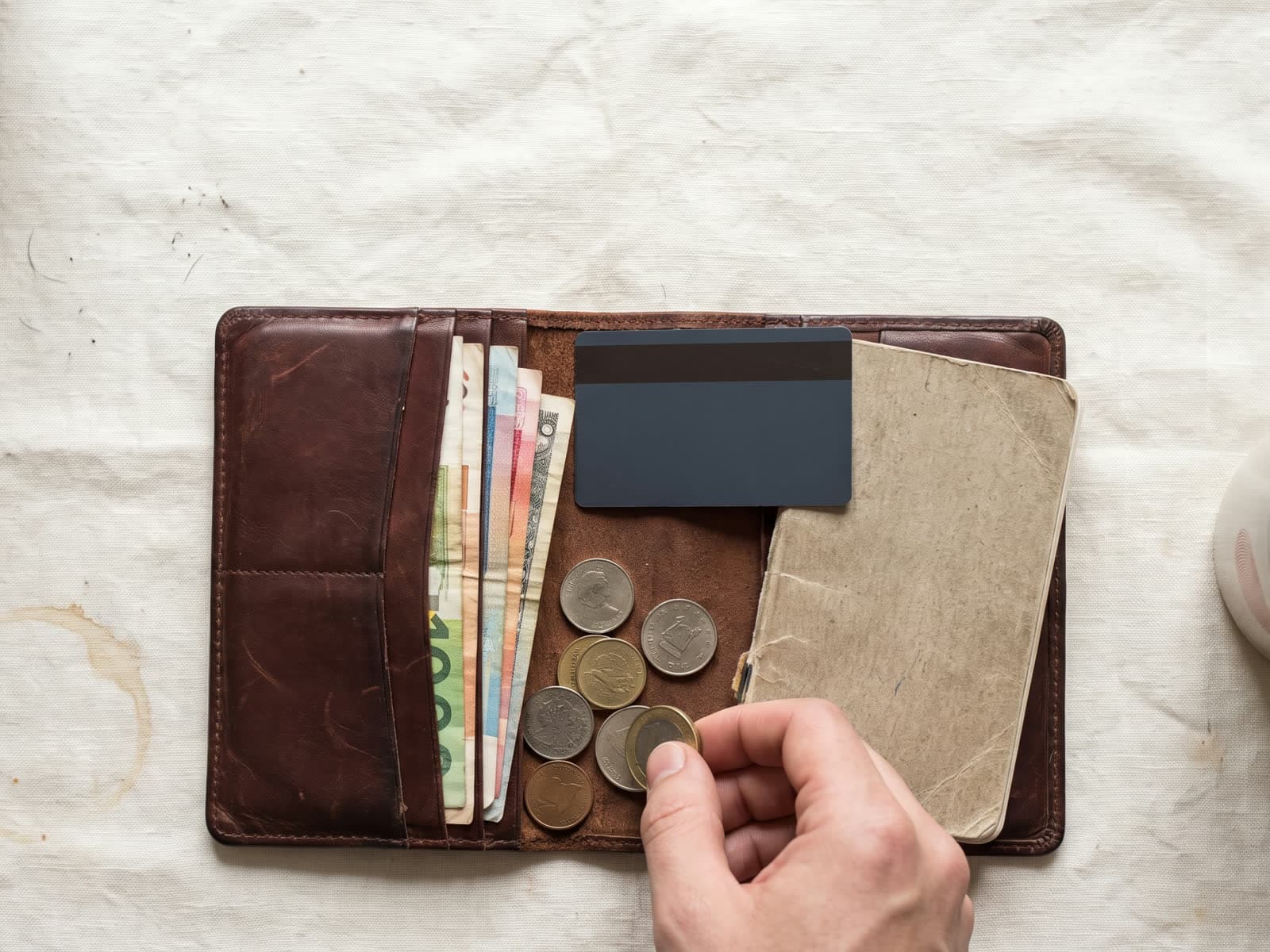
Because of sanctions, foreign Visa and Mastercard simply do not work in Iran — no ATMs, no card terminals, no online payments. Travelers arrive carrying their whole budget in euro or dollar notes, then juggle an official rate, an open-market rate that can differ substantially, and prices that flip between rials and tomans (one toman = ten rials). Changing money badly, or with the wrong street changer, genuinely hurts. We handle the whole money question ourselves, as one service.
Before you travel we tell you plainly how much to bring and in which currency (euros and dollars both work; larger, newer notes get better rates) and what the real market rate is that week. On arrival, your driver or guide takes you straight to a licensed exchange office — a sarrafi — so your first exchange happens at the posted market rate, counted openly in front of you. And if you'd rather not carry a cash stack at all, we issue a prepaid Iranian debit card in your name, delivered with your airport pickup or at your first hotel: load it with EUR or USD, tap the same card readers Iranians use — taxis, bazaars, restaurants — reload whenever you need, and any unspent balance is refunded before you leave. Need cash mid-trip? We arrange USD, EUR or toman delivery through our own team.
What's included
- Pre-trip cash plan: how much, EUR vs USD, note sizes and condition
- Current open-market rate shared before and during your trip — no airport-counter rates
- Escorted first exchange at a licensed sarrafi — market rate, counted openly
- Prepaid Iranian debit card in your name — pay like a local at virtually every terminal; unspent balance refunded
- USD/EUR/toman cash delivery and money transfer through our own team when you need it mid-trip
- Rial vs toman explained once and for all (1 toman = 10 rials)
Today's exchange rate
Market rate
1 USD ≈ 265,400 Toman
What you'll actually get changing cash in Iran
Official rate
On request
Government reference — travelers can't transact at this
26,540,000 Toman(at market rate)
Rates move constantly and are indicative — we confirm the exact rate with you on the day. Updated 10/11/2026, 03:51 AM GMT+3:30 ·
Questions travelers ask
Can I use my Visa or Mastercard in Iran?
No. Because of international sanctions, Iran is disconnected from the Visa and Mastercard networks, so foreign-issued cards don't work anywhere — not in shops, not in hotels, and not in ATMs. This applies to every traveler regardless of nationality: it's the card networks that are blocked, not you. There is no cash-machine fallback if you run short, so plan your money before you fly. The two approaches that work are bringing your budget in euros or dollars in cash, and loading a prepaid Iranian tourist debit card that you spend like a local.
What is an Iranian tourist debit card and how do I get one?
A tourist debit card is a prepaid Iranian bank card that gets around the no-foreign-cards problem. You load it with euros or dollars and then pay like a local wherever Iranian cards are accepted, instead of carrying your whole budget as banknotes. You can arrange one before you travel or after you arrive, top it up with cash during the trip, and have any unspent balance refunded before you leave. If you'd like it ready and loaded when you land, we can arrange that as part of your booking.
How much cash should I bring to Iran?
Enough for the entire trip, plus a real buffer. With foreign cards blocked and no ATM access, the cash you carry — plus whatever you load onto a tourist card — is your whole budget, and transferring money to yourself from abroad is unreliable at best. Work out your expected daily spend, then add a comfortable margin: leftover euros or dollars are easy to take home, but running out in-country is a genuine problem. Booking your big fixed costs — hotels, guide, intercity transport — before you travel means far less cash to carry and count.
Should I bring euros or dollars to Iran?
Either one. Euros and dollars are the two currencies that exchange offices and tourist-card providers routinely handle, so bring whichever is easier to get at home — there's no meaningful advantage to one over the other. Favor larger, newer banknotes: worn or older-series notes can get a worse rate or be refused outright. Travelers sometimes ask about bringing dirhams or other regional currencies instead; stick with EUR or USD, which are accepted everywhere money is changed. What matters more than which currency you choose is bringing enough of it, since there is no way to top up from a foreign account once you're there.
What is the difference between rial and toman, and how do I avoid getting confused?
This trips up almost every first-time visitor, so here is the whole rule: Iran's official currency is the rial, but people quote everyday prices in toman, and one toman equals ten rials. That dropped zero is the entire trap — a price of '50,000' could mean 50,000 rials or 50,000 toman (500,000 rials), a tenfold difference. The habit that protects you: confirm on every price whether it's rial or toman before you pay, especially with taxis and in bazaars. Asking 'rial or toman?' is completely normal — Iranians navigate the same ambiguity daily and will clarify without a second thought. One footnote: Iran has long-running plans to redenominate its currency, so if the banknotes look different from what you read elsewhere, our money guide keeps the current picture.
Where and how do I exchange money in Iran?
Change money at official exchange offices — they are easy to find in Tehran and every city on the tourist trail, and your hotel or guide can point you to a trusted one. Don't budget from an old number: exchange rates move, and rates published abroad don't always match what offices on the ground actually pay, so check the going rate locally on the day and confirm it before handing over your cash. If you'd rather handle less paper money altogether, loading most of your budget onto a tourist debit card does the same job cashlessly.