
Yazd
Chak Chak (Pir-e Sabz)
The mountain that wept for a princess — Zoroastrianism's holiest cliff shrine
 7 highlights · tap a pin
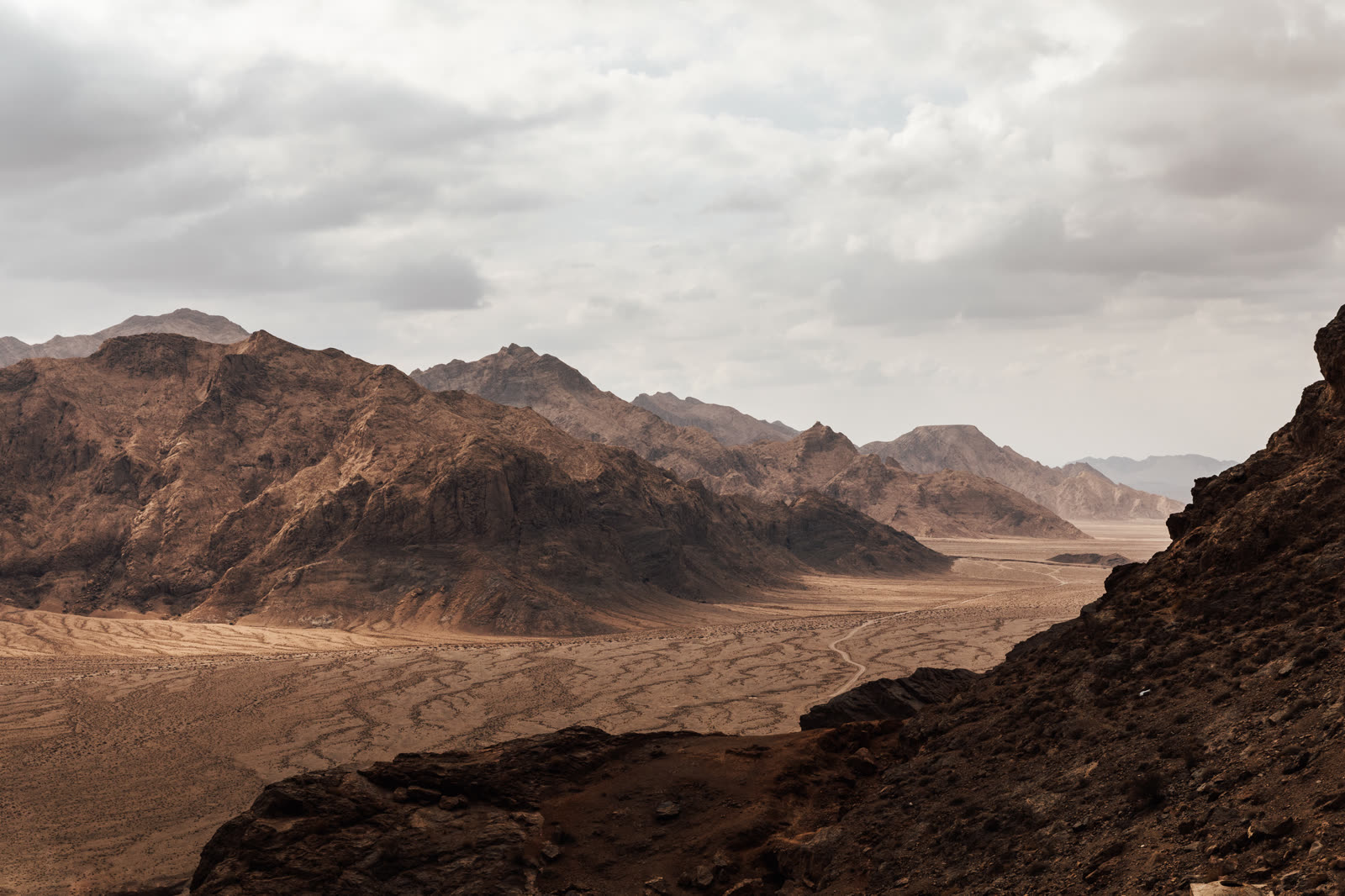
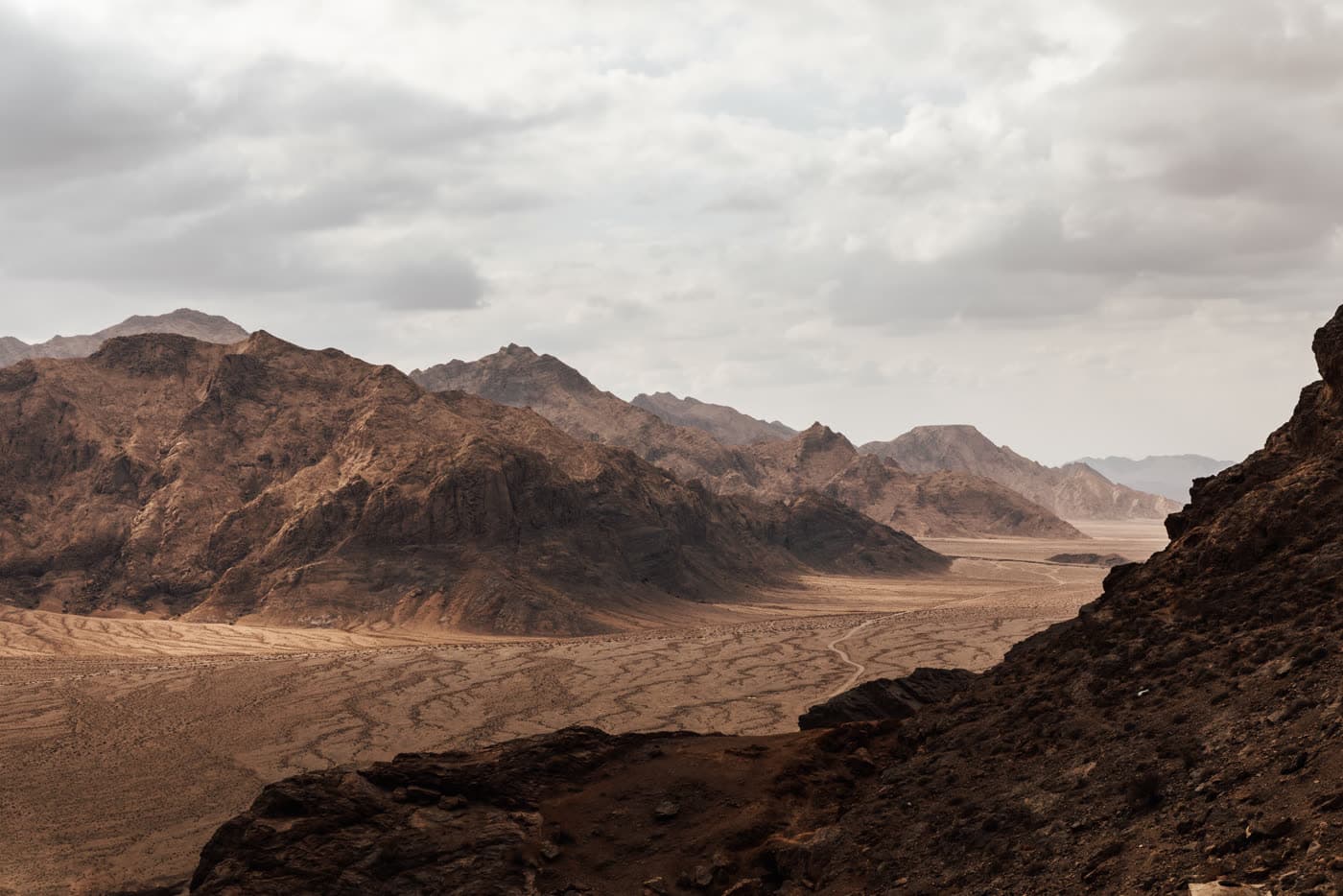
Chak Chak, known to Zoroastrians as Pir-e Sabz ("the Green Pir"), is the most sacred of the mountain fire shrines of Zoroastrianism, clinging to a sheer cliff face in the central Iranian desert near Ardakan, about 72 km northeast of Yazd. Legend holds that in 640 CE Nikbanou, second daughter of the last Sasanian king Yazdegerd III, fled the advancing Arab army here and prayed to Ahura Mazda, whereupon the mountain miraculously opened to shelter her; the spring that drips eternally from the cave roof is said to be the mountain's tears of grief, and the sound of the dripping gives the site its onomatopoeic name, "Chak Chak" (drip-drip). Inside a man-made grotto sealed by great bronze doors embossed with the likeness of Zoroaster, an eternal flame burns beneath a stone ceiling, with an ancient tree growing beside the holy spring that pilgrims believe sprouted from Nikbanou's cane. Each June, thousands of Zoroastrians from Iran, India and the diaspora climb the steps for the year's most important pilgrimage.
Next 5 days
Top places to see
 1
1Pir-e Sabz Grotto Shrine (the cave temple)
Cliff-cut sacred grotto sealed by great bronze doors, housing the eternal flame. The holiest mountain shrine of Zoroastrianism; a man-made cave at the cliff top whose bronze/brass doors are embossed with the image of Zoroaster, sheltering an eternal fire on a marble floor blackened by centuries of flame.
- Where
- Cliff summit, Robatat Rural District
- Time needed
- 1-2 hours
- Opening hours
- Open to general visitors most of the year; reserved for Zoroastrian pilgrims June 14-18. Verify access and modest-dress requirements before travel.
- 2
The Holy Dripping Spring & Sacred Tree
Ever-dripping water from the cave ceiling beside an ancient tree said to be Nikbanou's cane. The defining feature of the site: water perpetually trickles from the stone ceiling and is collected in vessels for drinking and blessing; the venerable tree beside it is central to the Nikbanou legend and gives the shrine the 'Green Pir' name.
- Time needed
- Included with shrine visit
- 3
The Pilgrim Staircase to the Shrine
Long stepped path winding up the cliff to the grotto (commonly cited at roughly 230-360 steps). The ceremonial ascent: tradition dictates pilgrims dismount and walk the final stretch on foot once the temple comes into sight. The climb up the exposed cliff offers sweeping desert panoramas.
- Time needed
- 20-40 minutes round trip
- 4
Khileh Pilgrim Lodges (terraced cliff pavilions)
Multi-level terraced rooms built into the cliff to house Zoroastrian pilgrims. A staggered, terraced structure where each roof forms the courtyard of the level above; the oldest room dates to the Qajar era (Naser al-Din Shah, ~150 years old), illustrating how the community sustains its annual gathering.
- Time needed
- 20-30 minutes
- 5
Kharanaq Old Village (en route)
Atmospheric abandoned mud-brick village with a shaking minaret and caravanserai, ~30 km away. A near-deserted, multi-millennium adobe village with a famous trembling minaret, old mosque, bazaar and a restored caravanserai; the classic first stop on the Yazd-Chak Chak desert circuit.
- Where
- Kharanaq District
- Time needed
- 1-1.5 hours
- 6
Meybod (Narin Castle, caravanserai, ice house, pigeon tower)
Ancient mud-brick desert town clustering several landmarks, often combined on the same day trip. Home to the mighty Narin Qal'eh mud-brick castle, a Safavid Shah Abbasi caravanserai, a domed yakhchal (ice house), a kabutar-khaneh pigeon tower and pottery workshops — a compact showcase of Iranian desert engineering.
- Where
- Meybod, Yazd Province
- Time needed
- 2-3 hours
- 7
Shah Abbasi Caravanserai (lunch / rest stop)
Historic Safavid roadside inn on the desert route, commonly used as the tour lunch stop. A surviving Silk Road-era caravanserai that gives context to the region's trade history and serves as the typical midday break between Kharanaq and Chak Chak.
- Opening hours
- Operation as a restaurant/rest stop varies by operator; verify before travel.