
Kerman
Bam
The world's largest mud-brick city, risen from the rubble of 2003
 8 highlights · tap a pin
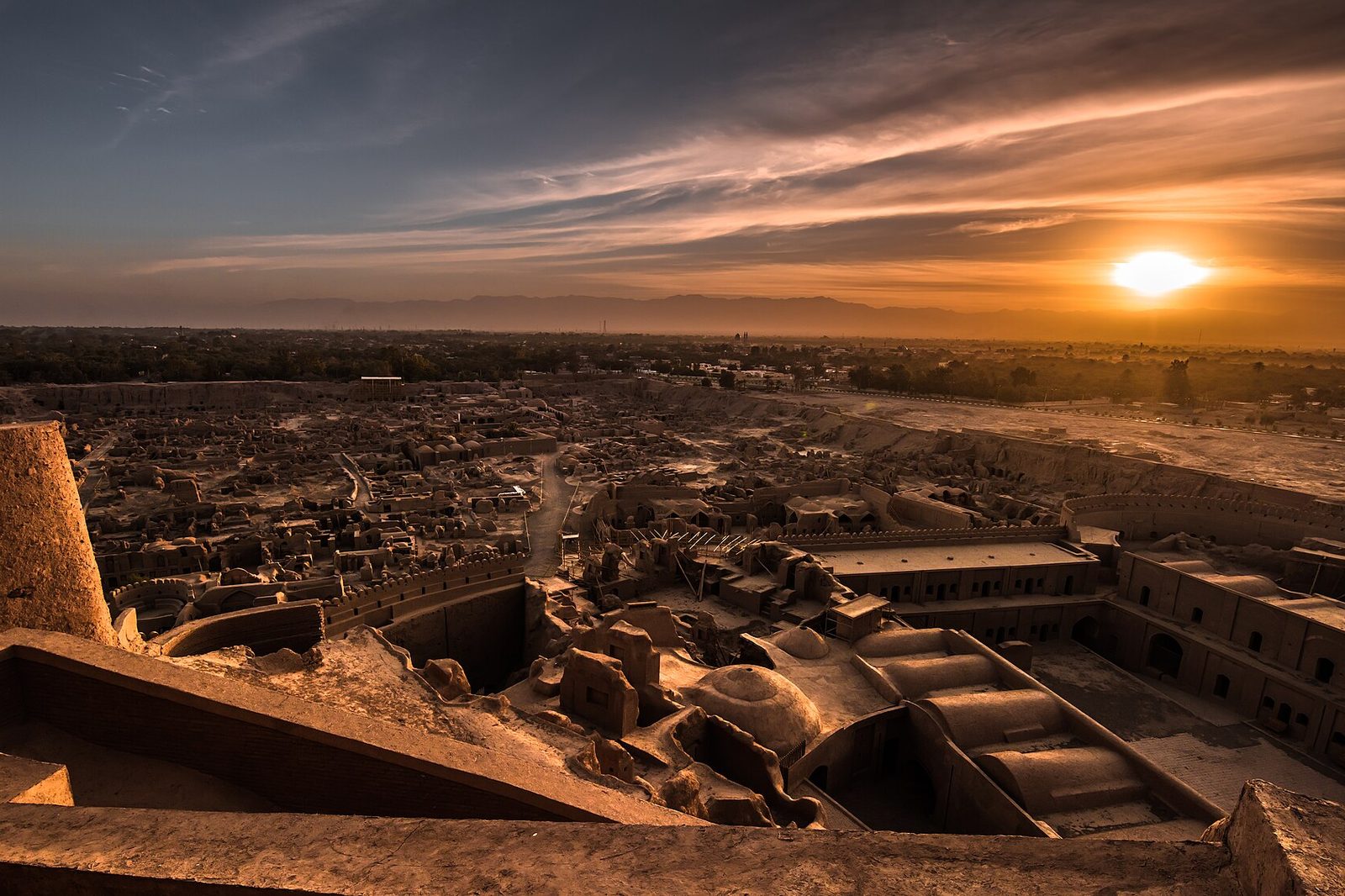
Bam is a desert oasis city in southeastern Kerman province, famous for Arg-e Bam, the largest adobe (mud-brick) structure on Earth, whose origins reach back to at least the Achaemenid era and which flourished as a Silk Road crossroads between the 7th and 11th centuries. On 26 December 2003 a catastrophic earthquake leveled the citadel and most of the city, killing tens of thousands; the painstaking international reconstruction that followed has made the rebuilt citadel itself a story of resilience. Sustained by an ancient qanat (underground canal) network, Bam is ringed by date palm and citrus groves and is renowned for its soft Mazafati dates. Together with its surrounding oasis and seismic-fault landscape, it forms the UNESCO World Heritage property "Bam and its Cultural Landscape," inscribed in 2004.
Next 5 days
Top places to see
- 1
Arg-e Bam (Bam Citadel)
UNESCO 2004The world's largest adobe structure, a vast mud-brick walled city rebuilt after the 2003 earthquake. Largest adobe building on Earth (~180,000 sq m), the core of the UNESCO site, with origins to the Achaemenid era and a Silk Road heyday; its post-quake reconstruction is itself a global heritage milestone.
- Where
- Old city, northern edge of Bam
- Time needed
- 2-3 hours
- Opening hours
- Open daily; entry fee applies. Hours and ticket price vary seasonally - verify before travel. Go at golden hour to beat the heat and catch the best light.
- 2
Governor's Quarters and Citadel Keep (the upper Arg)
The fortified inner stronghold crowning the citadel, with courtyards, eyvans (reception halls) and the main lookout tower. Highest point of the complex with commanding views over the oasis and the rebuilt walls; the seat of the governor and the military heart of the fortress.
- Where
- Inside Arg-e Bam
- Time needed
- 30-45 minutes
- Opening hours
- Accessed within the citadel ticket; climb is exposed - verify accessibility of upper sections before travel.
- 3
Citadel Bazaar
The covered, vaulted main street of the citadel, once the commercial spine of the walled city, now rebuilt. Restored vaulted ceiling gives a vivid sense of the Silk Road marketplace that made Bam wealthy in textiles and trade.
- Where
- Inside Arg-e Bam, near the main gate
- Time needed
- 20-30 minutes
- Opening hours
- Part of the citadel visit; no separate ticket. No longer a working bazaar.
- 4
Congregational Mosque of the Citadel
The Friday mosque within Arg-e Bam, with mihrab and courtyards, among the older structures of the complex. One of the oldest religious buildings in the citadel, reflecting its post-Islamic-conquest growth.
- Where
- Inside Arg-e Bam
- Time needed
- 15-20 minutes
- Opening hours
- Included in citadel entry.
- 5
Main Gate and City Walls
The fortified entrance, moat line and towering perimeter walls with watchtowers that ring the citadel. The dramatic first impression of Arg-e Bam; the rebuilt ramparts (originally 38 watchtowers, four gates and a moat) show the scale of the defensive system.
- Where
- Southern entrance of Arg-e Bam
- Time needed
- 15 minutes
- Opening hours
- Entry point for ticketed visit.
- 6
Qanat and water-management system
Ancient underground canals (qanats) and wells that fed the citadel and the surrounding date-palm oasis. An ingenious arid-land engineering network that made life and agriculture possible in the desert and is integral to the UNESCO cultural landscape; includes historic wells such as Chah-e Saheb-e Zaman.
- Where
- Bam oasis around the citadel
- Time needed
- Varies
- Opening hours
- Best understood with a local guide; some sections viewable around the citadel and oasis.
- 7
Ice House (Yakhchal)
A traditional adobe ice-store with tall shading walls used to keep winter ice through the scorching summer. Classic example of Persian desert refrigeration technology, illustrating how the oasis coped with extreme heat.
- Where
- Bam city
- Time needed
- 15-20 minutes
- Opening hours
- Exact access and hours vary - verify before travel.
- 8
Ameri House
A Qajar-era aristocratic mansion built for the family of Bam's governor, showcasing period domestic architecture. Rare surviving glimpse of Qajar-period elite domestic life in Bam beyond the citadel.
- Where
- Bam city
- Time needed
- 30 minutes
- Opening hours
- Verify current condition, access and hours before travel; some Bam-area historic houses remain affected by the earthquake.
- 9
Bam date-palm groves and oasis
The green belt of date palms and citrus orchards encircling the city, the living heart of the cultural landscape. Source of the famous Mazafati dates and the defining scenery of the oasis; the contrast of green palms against mud walls is the signature Bam view.
- Where
- Around Bam
- Time needed
- 1 hour
- Opening hours
- Freely viewable; date harvest is typically late summer to autumn.
Where to stay in Bam
From $10 a night, our service included