
Isfahan
Abyaneh
The red village - a living museum of mud-brick Iran
 8 highlights · tap a pin
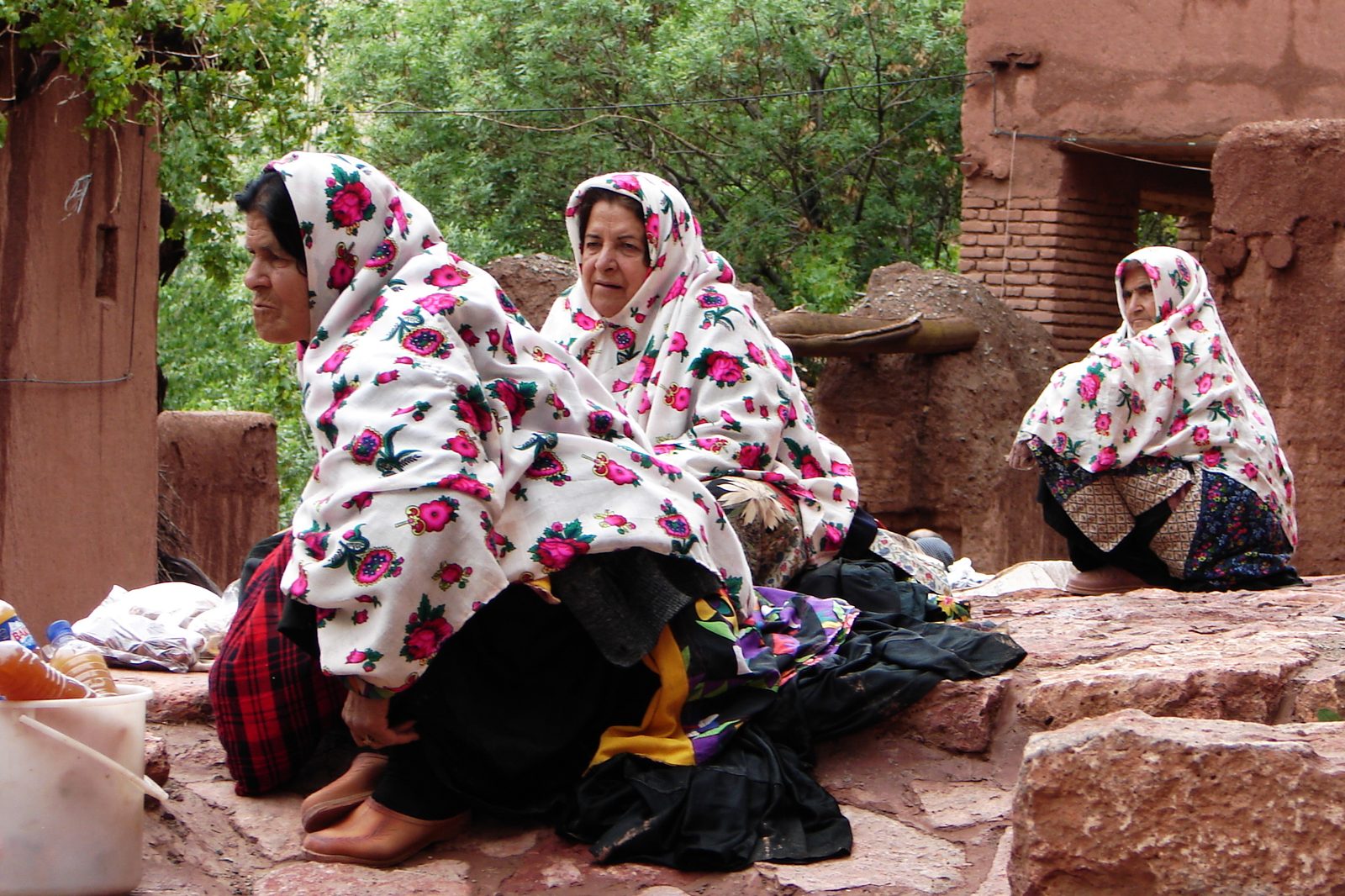
Abyaneh is one of Iran's oldest continuously inhabited villages, terraced into the north-western slope of Mount Karkas at roughly 2,100 m elevation in Natanz County, Isfahan province. Its houses are built from iron-rich red clay that gives the whole settlement a distinctive ochre-crimson glow, layered up the hillside in a maze of steep stepped alleys with lattice windows and wooden balconies. The village is famed for cultural continuity: elders still wear a distinctive traditional dress (women in white floral headscarves and colourful knee-length skirts), speak an archaic Central Iranian dialect retaining Middle Persian features, and preserve Sassanid-era and Zoroastrian heritage alongside later Islamic monuments. It sits on Iran's UNESCO World Heritage Tentative List and is often called an open-air anthropology museum.
Next 5 days
Top places to see
- 1
Red mud-brick stepped village core
The terraced maze of ochre-red houses, steep alleys, wooden balconies and lattice windows that defines Abyaneh. The iron-rich red clay architecture climbing the hillside is the village's signature and the reason for its 'Red Village' nickname and tentative World Heritage status.
- Where
- Village center
- Time needed
- 2-3 hours
- Opening hours
- Open-air village, walkable any time; verify before travel.
- 2
Jameh (Friday) Mosque of Abyaneh
11th-century Seljuk-era congregational mosque with a celebrated carved walnut-wood mihrab dated 1084 CE. Abyaneh's oldest mosque; the intricately carved walnut mihrab with calligraphy and floral motifs is a rare survival and a national treasure.
- Where
- Village center
- Time needed
- 20-30 min
- Opening hours
- Hours vary; remove shoes and dress modestly - verify before travel.
- 3
Harpak Fire Temple
Small Zoroastrian fire temple on the village's main alley, considered the oldest monument in Abyaneh. Tangible evidence of the village's pre-Islamic Sassanid Zoroastrian past and a highlight cited in the UNESCO tentative-list description.
- Where
- Main alley
- Time needed
- 15 min
- Opening hours
- Modest unmarked structure; verify access before travel.
- 4
Hajatgah Mosque
Safavid-era mosque in the western part of the village with a balcony courtyard and a wooden-columned night-prayer hall. Offers fine carved-wood interior columns and a balcony with sweeping views over the surrounding Karkas mountains.
- Where
- Western village
- Time needed
- 20 min
- Opening hours
- Hours vary; dress modestly - verify before travel.
- 5
Imamzadeh / Ziaratgah Shrine
Peaceful Shia pilgrimage shrine said to hold descendants (Isa and Yahya) of Imam Musa ibn Ja'far, with veranda, courtyard and pool. Active local pilgrimage site showing the village's Shia Islamic layer; serene atmosphere and traditional architecture.
- Where
- Village
- Time needed
- 15-20 min
- Opening hours
- Respect worshippers; dress modestly - verify before travel.
- 6
Hilltop Sassanid fort ruins (Palahamooneh / Pala forts)
Remains of old fortifications, including a Sassanid-era fort, on high ground above the village. Underline Abyaneh's strategic ancient origins and reward a short uphill walk with panoramic views over the red rooftops.
- Where
- Above village
- Time needed
- 30-45 min
- Opening hours
- Ruined and unfenced; sturdy shoes recommended - verify path before travel.
- 7
Porzaleh Mosque
Ilkhanate-era mosque dated to 1302 CE, among the village's older religious buildings. Adds a 14th-century Mongol-period layer to the village's stratified Islamic architecture.
- Where
- Village
- Time needed
- 15 min
- Opening hours
- Hours vary; verify access before travel.
- 8
Karkas mountain trails
Hiking and nature trails through the green hills and valleys surrounding the village. High-altitude scenery, seasonal greenery/blossom, and elevated vantage points perfect for photography and nature walks.
- Where
- Surrounding mountains
- Time needed
- 1-3 hours
- Opening hours
- No formal facilities; bring water and check conditions - verify before travel.
Where to stay in Abyaneh
From $12 a night, our service included