
Culture & context
Travel Norms & Etiquette
Last verified: 2026-06-29
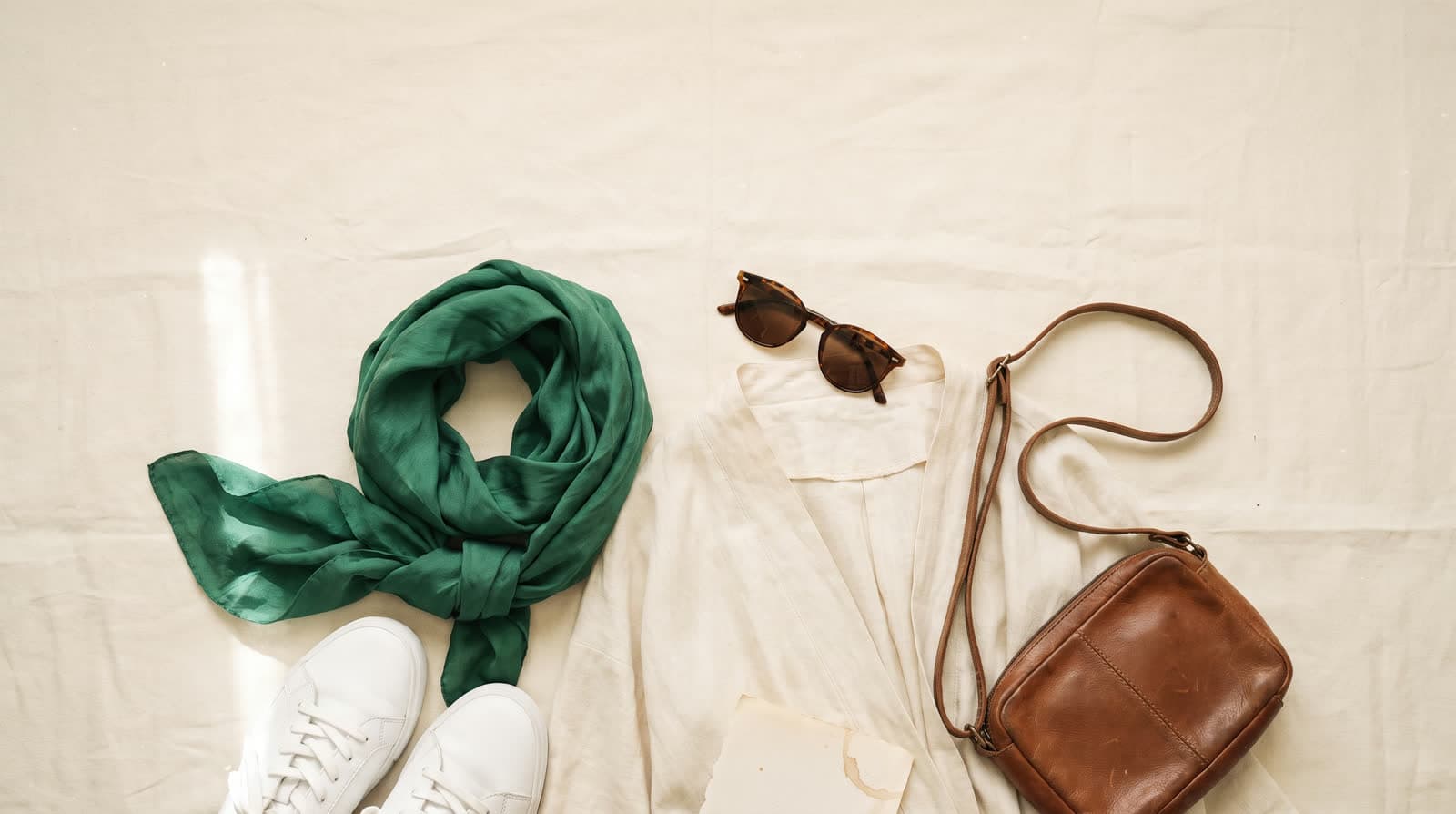
Dress code is legally required: women cover their hair with a headscarf and wear loose clothing; men avoid shorts. Learn taarof (ritual politeness), mind opposite-gender contact, don't eat in public during Ramadan daylight, ask before photographing people, avoid military sites, and note alcohol is illegal. A little tipping is customary, and small gifts go a long way with host and nomad families.
Key things to know
- Headscarf + modest dress for women (law); no shorts for men
- Shoes off indoors and in mosques
- Taarof and opposite-gender contact etiquette
- No public eating during Ramadan daylight; ask before photographing people; no alcohol
- Tipping is customary; a small gift delights a host or nomad family
Related questions
Do female tourists have to wear a hijab in Iran, and what should men wear?
Yes — modest dress is a legal requirement, and it applies to every visitor of every nationality, no exceptions. Women cover their hair with a headscarf and wear loose, modest clothing: long sleeves with trousers or a long skirt. A light scarf is fine — pack one in your hand luggage, since the rule applies from arrival. Men should skip shorts; long trousers with a shirt or T-shirt are standard. Everyone removes shoes inside mosques and private homes. Enforcement ebbs and flows, and you will see Iranian women pushing the boundaries — but as a guest, dress for the rule, not the street. The code sounds stricter on paper than it feels on the ground once you're dressed for it.
Can tourists drink alcohol in Iran?
No. Alcohol is illegal in Iran for visitors — there are no bars, hotels don't serve it, and you shouldn't pack any in your luggage. What Iran pours instead: endless rounds of tea, fresh juices, and doogh, the salted yogurt drink that pairs perfectly with kabab. Persian food culture is rich enough that most travelers stop noticing the gap within days. If a completely dry trip is a dealbreaker, it's better to know before you book — honesty now beats a surprise at the border.
What are the photography rules in Iran? Can I take pictures of people?
Iran is wonderfully photogenic and photography at tourist sites is generally welcome, but two rules are firm. First, always ask before photographing people — a smile and a gesture toward your camera is usually enough, and many will happily agree. Second, never photograph military or official sites, border areas or demonstrations; that is the one camera mistake with real consequences here. Inside mosques and shrines, follow the posted rules and the lead of worshippers. When in doubt, keep the camera down and ask your guide first.
Is tipping expected in Iran, and should I bring a gift for a nomad or homestay host?
Light tipping is customary — modest amounts for drivers, guides and hotel staff are appreciated, never demanded. One thing worth knowing: taarof, the Iranian ritual of politeness, means a first 'no, please, it's nothing' often isn't a real refusal — offer again warmly. If you're staying with a nomad or host family, a small gift genuinely delights: something from your home country — sweets, tea, a small craft — counts far more than its price. It's the gesture, not the value, that your hosts will remember.
Want this handled for you — visa, guide, transport and stays?
Plan your trip