West Azerbaijan
Urmia
Irans Mosaik der Glaubensrichtungen an einem verschwindenden Salzsee
 8 Highlights · tippen Sie auf einen Punkt
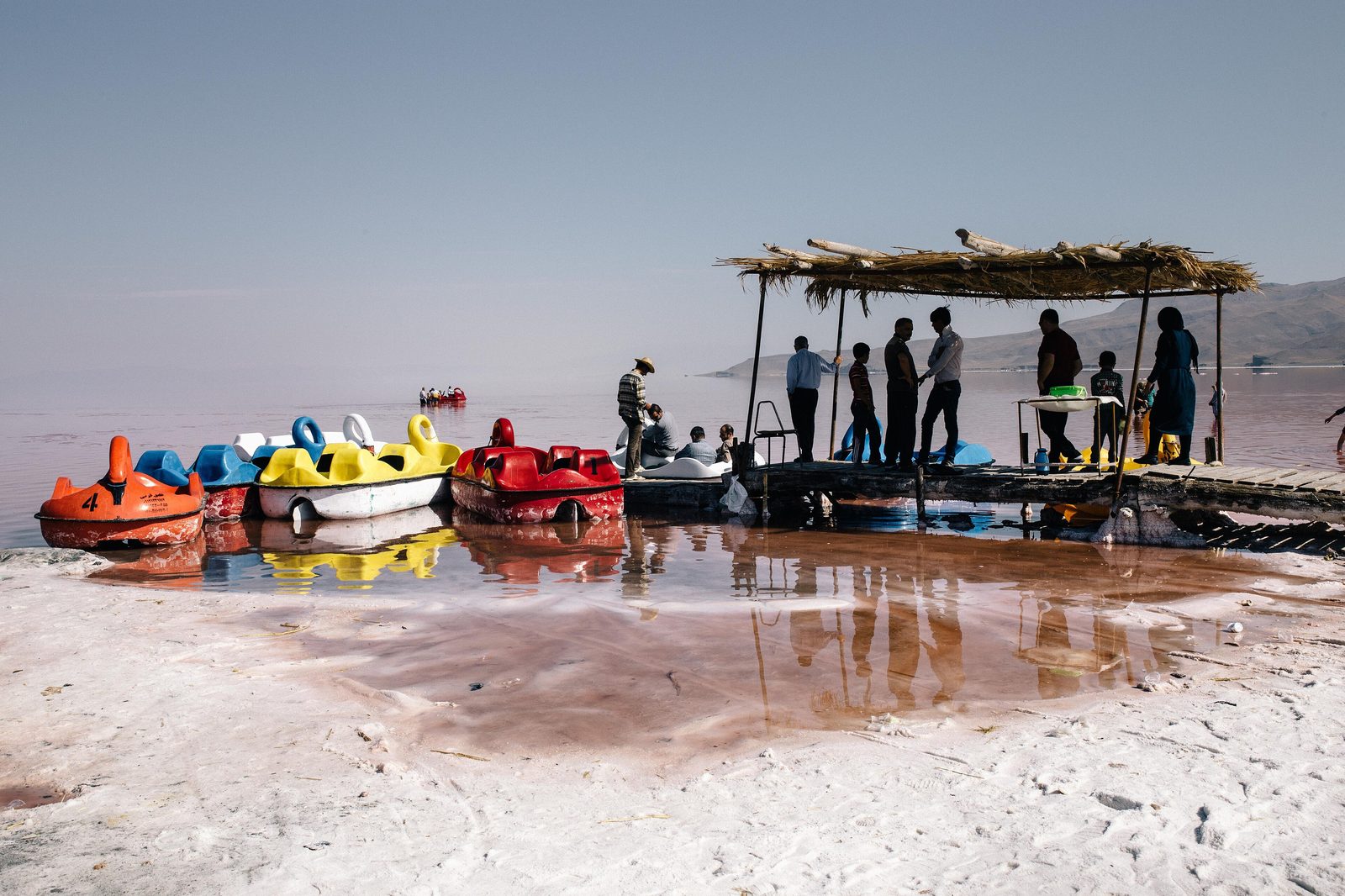
Urmia, Hauptstadt von West-Aserbaidschan im äußersten Nordwesten Irans, ist eine grüne, klimatisch milde aserbaidschanisch-kurdische Stadt mit Kirchen, Moscheen und einem großen Basar nahe der türkischen Grenze. Sie gab dem einst mächtigen Urmia-See seinen Namen – vormals der größte Salzwassersee des Nahen Ostens –, der inzwischen durch Dürre und Übernutzung den weitaus größten Teil seines Wassers verloren hat, eine anhaltende ökologische Krise; die weiten Salzflächen und die verbliebene Salzlake bieten einen kargen, surrealen Anblick. Über den See hinaus bietet die Stadt alte Kirchen (Naneh Maryam), den seldschukischen Grabturm Se Gonbad, heiße Quellen und die landschaftlich reizvollen Täler Ghasemlu und Marmisho.
Nächste 5 Tage
Top-Sehenswürdigkeiten
- 1
Lake Urmia (Daryacheh-ye Orumiyeh)
Vast hypersaline lake east of the city, once the largest in the Middle East. A UNESCO Biosphere Reserve and Ramsar wetland (both 1975) and former sixth-largest saltwater lake on Earth; its dramatic shrinkage has made it a global symbol of water crisis, but the rust-red brine, salt flats and remnant pools remain a haunting landscape.
- Wo
- East of Urmia (Golman-khaneh shore ~20-30 km)
- Zeitbedarf
- Half day
- Öffnungszeiten
- Open landscape; condition varies seasonally and year to year - verify water levels and access before travel.
- 2
Naneh Maryam Church (St Mary Church)
Ancient Assyrian Church of the East, among the oldest churches in Iran. Traditionally claimed as one of the oldest churches in Christendom (some accounts second only to the Nativity in Bethlehem), built over a former Zoroastrian fire temple; its arches and pillars show Parthian-Sassanid architecture. A national heritage site (not a UNESCO World Heritage Site, despite some operator claims).
- Wo
- Old city center
- Zeitbedarf
- 30-45 min
- Öffnungszeiten
- Active/heritage church; verify opening hours and photography rules before travel.
- 3
Urmia Bazaar (Historical Bazaar)
Sprawling Safavid-era covered market of brick domes and vaulted alleys. One of Iran's notable historic bazaars, registered as a national monument; a labyrinth of arched passages selling carpets, kilims, copperware, spices and local sweets, and the commercial heart of the old city.
- Wo
- Old city center
- Zeitbedarf
- 1-2 hours
- Öffnungszeiten
- Closed Fridays and around midday prayer in places; verify before travel.
- 4
Se Gonbad (Three Domes) Tomb Tower
Seljuk-era cylindrical brick tomb tower dated 1184. A rare surviving Seljuk monument, built on a raised platform with fine brickwork and an inscription naming a 12th-century nobleman; thought by some to stand on a former Sassanid fire-temple site.
- Wo
- Central Urmia
- Zeitbedarf
- 20-30 min
- Öffnungszeiten
- Exterior viewable anytime; verify interior access before travel.
- 5
Jameh (Friday) Mosque of Urmia
Historic congregational mosque with a fine stucco mihrab. The city's principal old mosque, with layers from the Seljuk and Ilkhanid periods and a richly decorated plaster mihrab, anchoring the bazaar quarter of the historic core.
- Wo
- Bazaar quarter, old city
- Zeitbedarf
- 30 min
- Öffnungszeiten
- Active mosque; avoid prayer times and dress modestly; verify visitor access.
- 6
Kazem Dashi Rock
Dramatic rocky outcrop rising from the bed of Lake Urmia. A striking rock formation about 65-70 km from the city near Gurchin Qaleh village, long associated with World War I-era refuge stories; now stands amid the lake's exposed salt bed, a favorite photographic landmark.
- Wo
- NE shore of Lake Urmia (~65-70 km)
- Zeitbedarf
- Half day with travel
- Öffnungszeiten
- Remote; access depends on lake/road conditions - verify before travel and consider a guide.
- 7
Band Waterfall
Tall staircase waterfall in the mountains near Band village. A roughly 70 m cascade that tumbles in stepped tiers through a green valley reached via Band/Shamalkan village, a popular day-hike escape from the city (about an hour's walk to the falls).
- Wo
- Mountains southwest of Urmia
- Zeitbedarf
- Half to full day
- Öffnungszeiten
- Seasonal flow strongest in spring/early summer; hiking required - verify trail conditions.
- 8
St Sarkis (Sourp Sarkis) Church
Historic Armenian church in central Urmia. One of Urmia's notable Armenian Christian monuments, reflecting the city's once-substantial Armenian community alongside its Assyrian churches.
- Wo
- Central Urmia
- Zeitbedarf
- 20-30 min
- Öffnungszeiten
- May open mainly for services; verify access before travel.
- 9
Marmisho Lake & Valley
Tranquil mountain lake in a long green valley near the Turkish border. A scenic freshwater lake about 70 km northwest of Urmia set in a verdant valley, popular for cool-season escapes, picnicking and hiking among the border mountains.
- Wo
- Silvaneh/border highlands NW of Urmia
- Zeitbedarf
- Half to full day
- Öffnungszeiten
- Mountain road; best late spring to autumn - verify conditions and border-zone access.
- 10
Urmia Museum
Regional museum of archaeology and ethnography. Holds finds from the Urmia plain's long prehistory and history plus ethnographic displays of the region's Azeri, Kurdish and Christian cultures - useful context before exploring the city.
- Wo
- Central Urmia
- Zeitbedarf
- 1 hour
- Öffnungszeiten
- Hours and closing days vary; verify before travel.
Unterkünfte in Urmia
Ab $4 pro Nacht, unser Service inbegriffen