
Kermanshah
Kermanshah
Tor zur persischen Geschichte und zur kurdischen Kultur
 8 Highlights · tippen Sie auf einen Punkt
Kermanshah ist die größte mehrheitlich kurdische Stadt im Westen Irans und erstreckt sich entlang der Ausläufer des Zagros an der alten Straße zwischen Mesopotamien und dem iranischen Hochland. Reich an vorislamischem Erbe, bewahrt sie zwei der bedeutendsten archäologischen Denkmäler Irans – die sasanidischen Reliefs von Taq-e Bostan und die von der UNESCO gelistete achämenidische Inschrift von Bisotun – daneben lebhafte Basare, kurdische Musik und Küche sowie das juwelenhafte Qajar-Takyeh Moaven al-Molk. Sie ist der natürliche Ausgangspunkt für den Anahita-Tempel im nahe gelegenen Kangavar.
Nächste 5 Tage
Top-Sehenswürdigkeiten
- 1
Bisotun
UNESCO-listed Achaemenid inscription and reliefs. Darius I's trilingual inscription is a key historical document.
- Wo
- Bisotun
- Zeitbedarf
- 2-3 hours
- Öffnungszeiten
- Verify before travel.
- 2
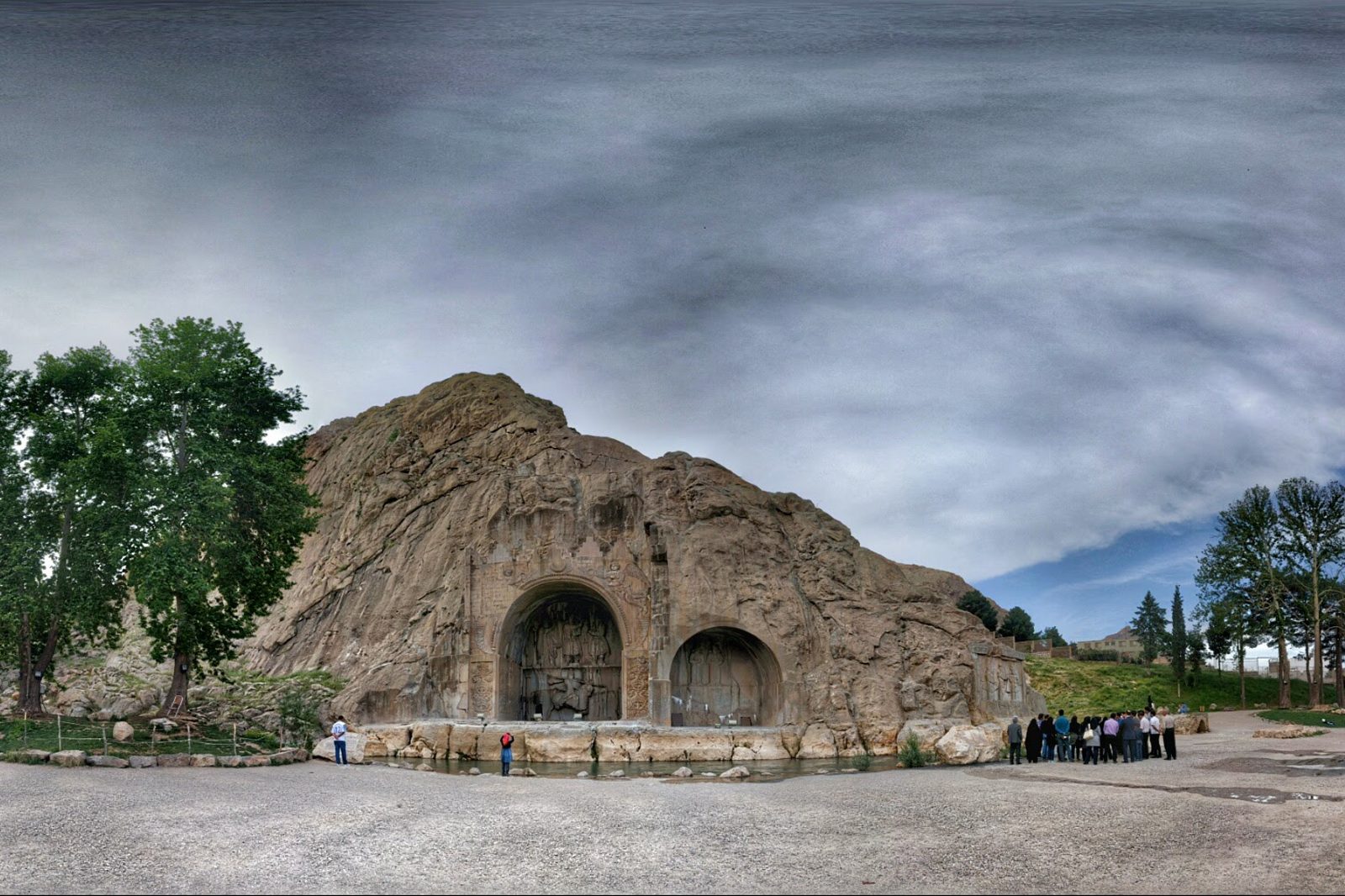
Taq-e Bostan
Sasanian rock reliefs in a scenic setting. Depicts royal hunting scenes and investiture ceremonies.
- Wo
- Taq-e Bostan
- Zeitbedarf
- 1-2 hours
- Öffnungszeiten
- Verify before travel.
- 3
Tekyeh Moaven al-Molk
Qajar-era Hussainiya with vivid tilework. Features rare depictions of Shiite martyrs.
- Wo
- Downtown
- Zeitbedarf
- 1 hour
- Öffnungszeiten
- Verify before travel.
- 4
Kermanshah Bazaar
Traditional market with Kurdish crafts. Authentic Kurdish textiles and spices.
- Wo
- Downtown
- Zeitbedarf
- 1-2 hours
- Öffnungszeiten
- Mornings best.
- 5
Jameh Mosque
Historic mosque with Seljuk elements. Blends Seljuk and Safavid architecture.
- Wo
- Downtown
- Zeitbedarf
- 30 mins
- Öffnungszeiten
- Verify prayer times.
- 6
Zagros Paleolithic Museum
Prehistoric artifacts from the Zagros region. Neanderthal tools and early human remains.
- Wo
- Downtown
- Zeitbedarf
- 1 hour
- Öffnungszeiten
- Verify before travel.
- 7
Tagh-e Gara
Mountain with ancient petroglyphs. Prehistoric rock art and scenic views.
- Wo
- Bisotun
- Zeitbedarf
- 1-2 hours
- Öffnungszeiten
- Hike with guide.
- 8
Shafei Jameh Mosque
Sunni mosque with unique architecture. Rare Sunni mosque in a Shiite-majority city.
- Wo
- Downtown
- Zeitbedarf
- 30 mins
- Öffnungszeiten
- Verify prayer times.
- 9
Bisotun Big Wall
Iran's tallest rock wall — a limestone big-wall beside the UNESCO Bisotun reliefs. Iran's flagship big-wall, host of an international big-wall festival, next to a UNESCO site.
- Zeitbedarf
- Full day+
Unterkünfte in Kermanshah
Ab $7 pro Nacht, unser Service inbegriffen