
Yazd
Chak Chak (Pir-e Sabz)
Der Berg, der um eine Prinzessin weinte – das heiligste Felsenheiligtum des Zoroastrismus
 7 Highlights · tippen Sie auf einen Punkt
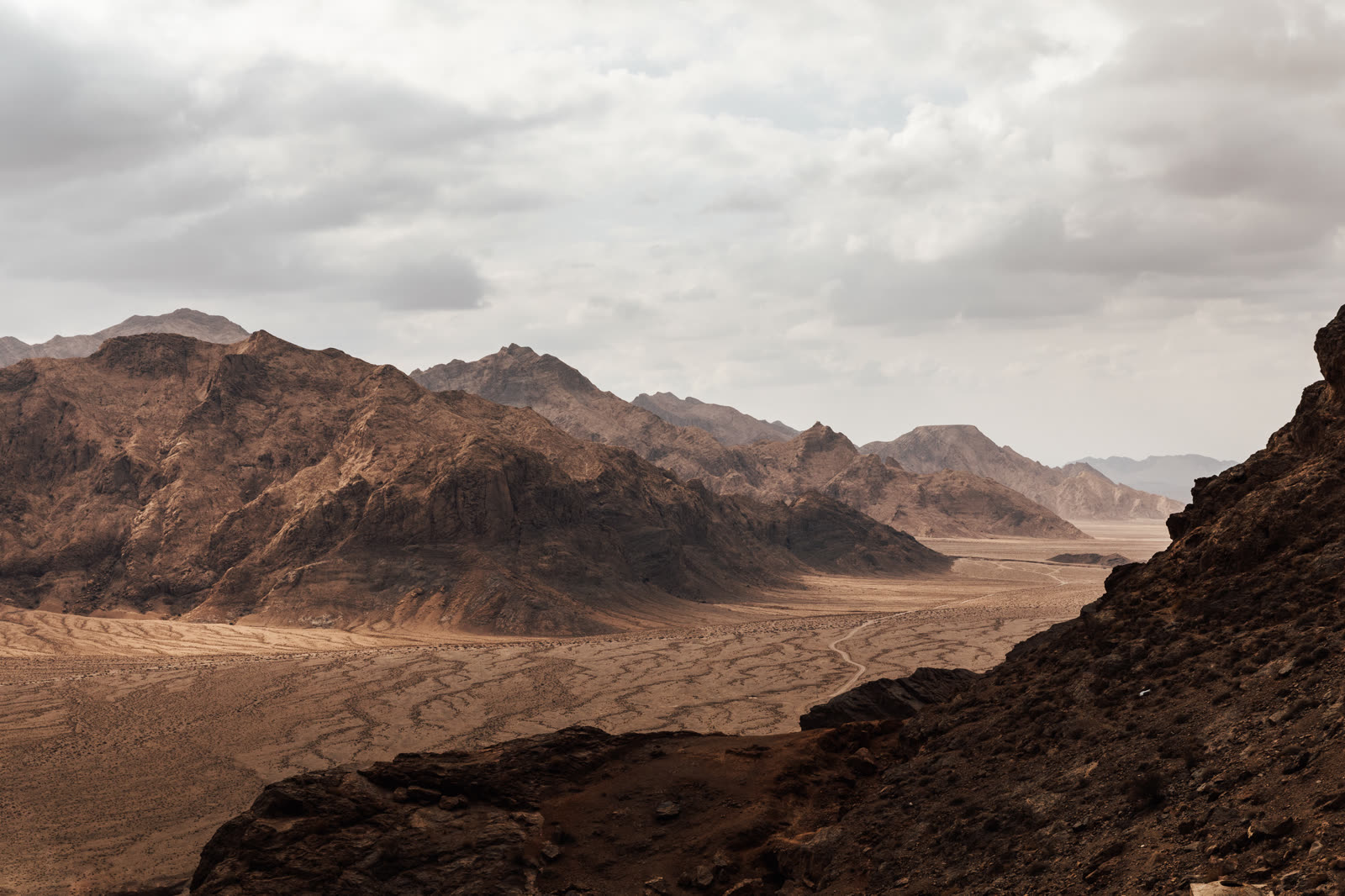
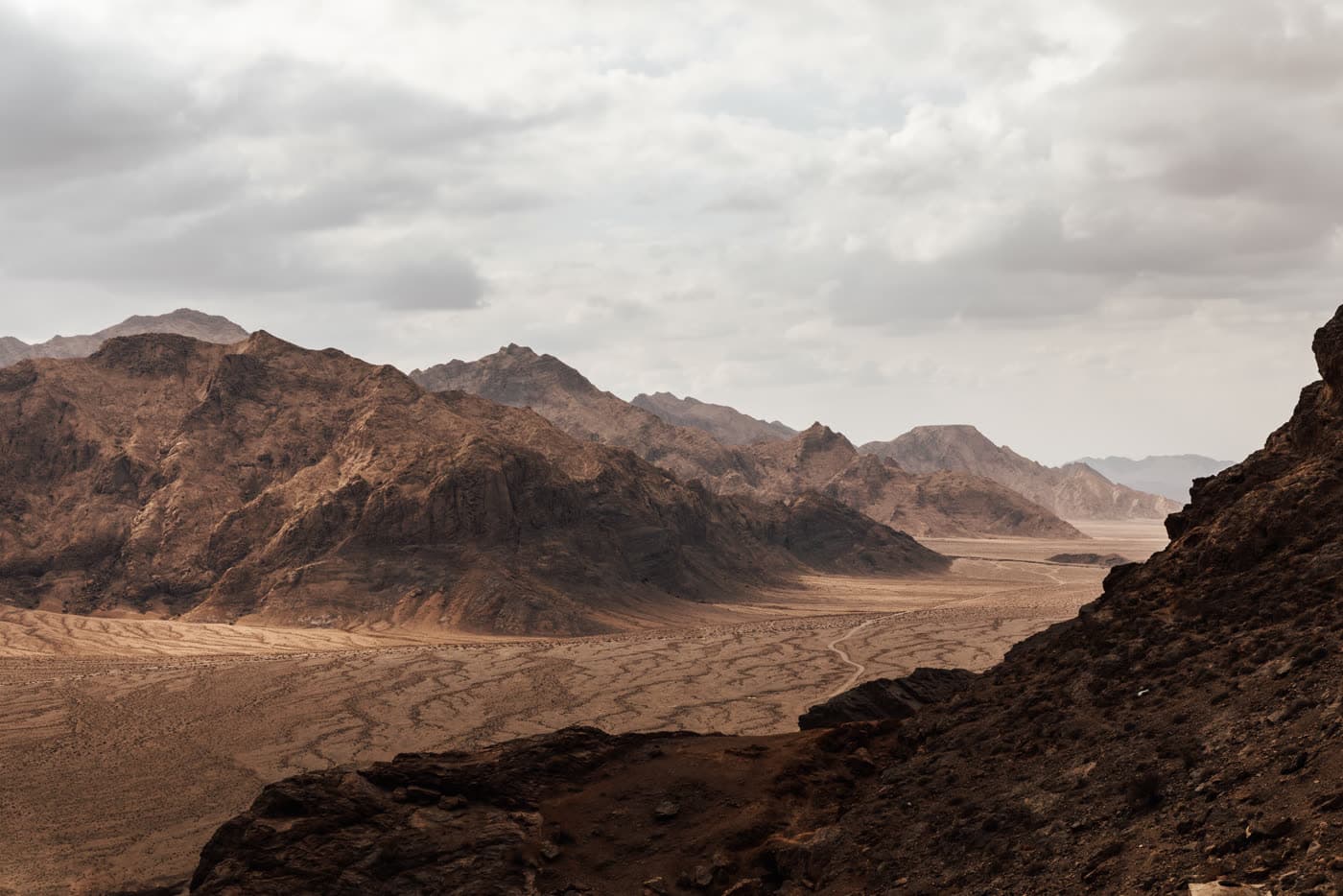
Chak Chak, den Zoroastriern als Pir-e Sabz („der grüne Pir“) bekannt, ist das heiligste der zoroastrischen Bergfeuerheiligtümer und klammert sich an eine senkrechte Felswand in der zentraliranischen Wüste bei Ardakan, rund 72 km nordöstlich von Yazd. Der Legende nach floh hier im Jahr 640 n. Chr. Nikbanou, die zweite Tochter des letzten sassanidischen Königs Yazdegerd III., vor dem vorrückenden arabischen Heer und betete zu Ahura Mazda, woraufhin sich der Berg auf wundersame Weise öffnete, um ihr Schutz zu bieten; die Quelle, die unablässig von der Höhlendecke tropft, gilt als die Tränen der Trauer des Berges, und das Geräusch des Tropfens gab der Stätte ihren lautmalerischen Namen „Chak Chak“ (tropf-tropf). In einer von Menschenhand geschaffenen Grotte, die von großen, mit dem Bildnis Zarathustras geprägten Bronzetüren verschlossen wird, brennt unter einer Steindecke ein ewiges Feuer; neben der heiligen Quelle wächst ein uralter Baum, der nach dem Glauben der Pilger aus dem Stab Nikbanous hervorging. Jedes Jahr im Juni steigen Tausende Zoroastrier aus dem Iran, aus Indien und aus der Diaspora die Stufen hinauf zur wichtigsten Wallfahrt des Jahres.
Nächste 5 Tage
Top-Sehenswürdigkeiten
 1
1Pir-e Sabz Grotto Shrine (the cave temple)
Cliff-cut sacred grotto sealed by great bronze doors, housing the eternal flame. The holiest mountain shrine of Zoroastrianism; a man-made cave at the cliff top whose bronze/brass doors are embossed with the image of Zoroaster, sheltering an eternal fire on a marble floor blackened by centuries of flame.
- Wo
- Cliff summit, Robatat Rural District
- Zeitbedarf
- 1-2 hours
- Öffnungszeiten
- Open to general visitors most of the year; reserved for Zoroastrian pilgrims June 14-18. Verify access and modest-dress requirements before travel.
- 2
The Holy Dripping Spring & Sacred Tree
Ever-dripping water from the cave ceiling beside an ancient tree said to be Nikbanou's cane. The defining feature of the site: water perpetually trickles from the stone ceiling and is collected in vessels for drinking and blessing; the venerable tree beside it is central to the Nikbanou legend and gives the shrine the 'Green Pir' name.
- Zeitbedarf
- Included with shrine visit
- 3
The Pilgrim Staircase to the Shrine
Long stepped path winding up the cliff to the grotto (commonly cited at roughly 230-360 steps). The ceremonial ascent: tradition dictates pilgrims dismount and walk the final stretch on foot once the temple comes into sight. The climb up the exposed cliff offers sweeping desert panoramas.
- Zeitbedarf
- 20-40 minutes round trip
- 4
Khileh Pilgrim Lodges (terraced cliff pavilions)
Multi-level terraced rooms built into the cliff to house Zoroastrian pilgrims. A staggered, terraced structure where each roof forms the courtyard of the level above; the oldest room dates to the Qajar era (Naser al-Din Shah, ~150 years old), illustrating how the community sustains its annual gathering.
- Zeitbedarf
- 20-30 minutes
- 5
Kharanaq Old Village (en route)
Atmospheric abandoned mud-brick village with a shaking minaret and caravanserai, ~30 km away. A near-deserted, multi-millennium adobe village with a famous trembling minaret, old mosque, bazaar and a restored caravanserai; the classic first stop on the Yazd-Chak Chak desert circuit.
- Wo
- Kharanaq District
- Zeitbedarf
- 1-1.5 hours
- 6
Meybod (Narin Castle, caravanserai, ice house, pigeon tower)
Ancient mud-brick desert town clustering several landmarks, often combined on the same day trip. Home to the mighty Narin Qal'eh mud-brick castle, a Safavid Shah Abbasi caravanserai, a domed yakhchal (ice house), a kabutar-khaneh pigeon tower and pottery workshops — a compact showcase of Iranian desert engineering.
- Wo
- Meybod, Yazd Province
- Zeitbedarf
- 2-3 hours
- 7
Shah Abbasi Caravanserai (lunch / rest stop)
Historic Safavid roadside inn on the desert route, commonly used as the tour lunch stop. A surviving Silk Road-era caravanserai that gives context to the region's trade history and serves as the typical midday break between Kharanaq and Chak Chak.
- Öffnungszeiten
- Operation as a restaurant/rest stop varies by operator; verify before travel.