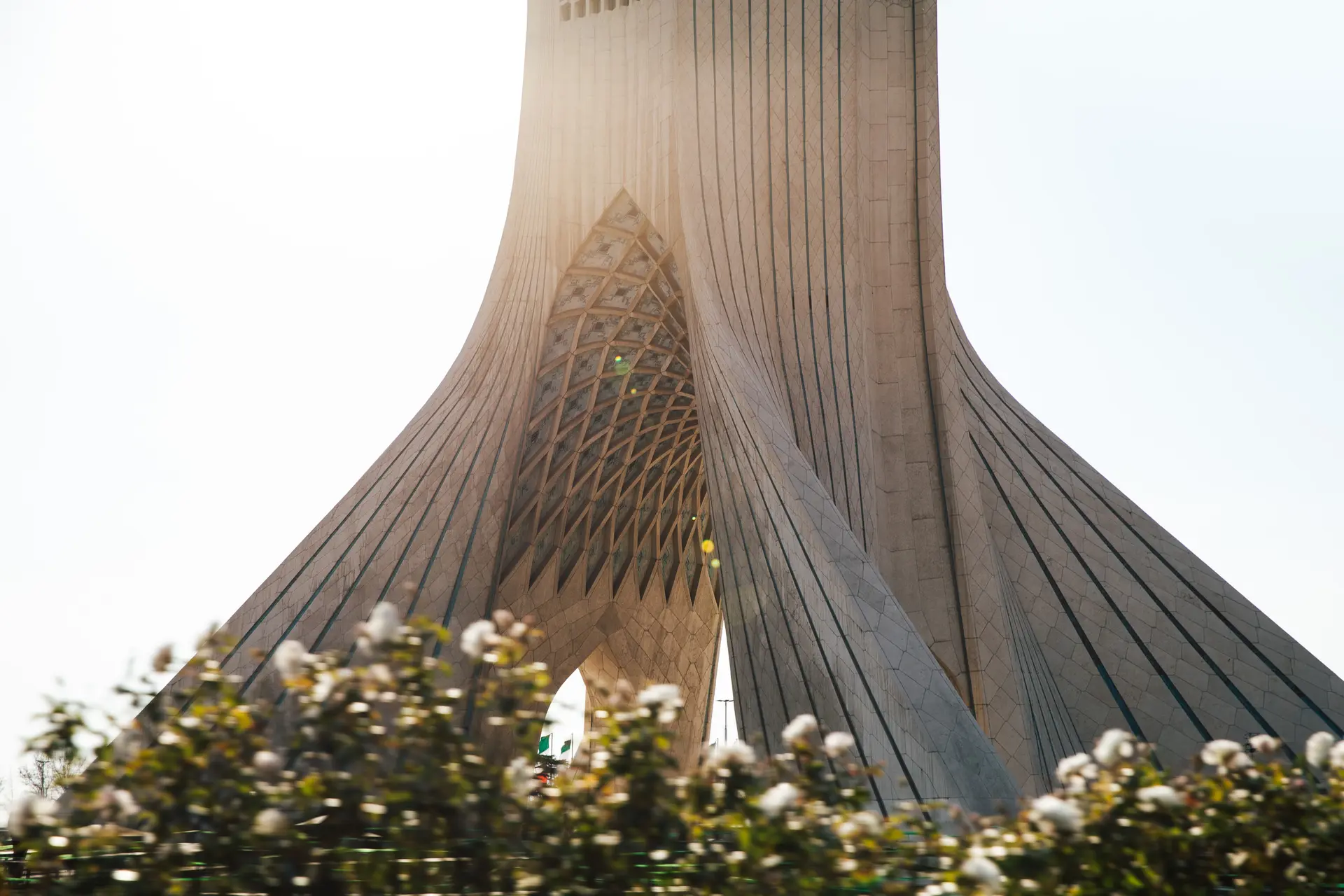

Qazvin
Alamut Valley
Adlerhorst-Festungen der mittelalterlichen Assassinen, verborgen im hohen Alborz.
 8 Highlights · tippen Sie auf einen Punkt
Alamut ist ein abgelegenes Hochtal an der Südflanke des Alborz-Gebirges nordöstlich von Qazvin. Hier nahm der nizaritisch-ismailitische Führer Hassan-i Sabbah im Jahr 1090 n. Chr. die Burg Alamut ein und machte sie zur Hauptstadt eines halbautonomen Staates, den das Europa der Kreuzzugszeit als „Orden der Assassinen“ kannte. Mehr als 160 Jahre lang beherbergten seine Bergfestungen – Alamut und das größere Lambsar neben zahlreichen weiteren – eine berühmte Bibliothek, Gärten und ein Zentrum der Gelehrsamkeit, bis die Mongolen unter Hülegü Khan sie 1256 zerstörten. Heute machen die dramatisch auf Felsen thronenden Ruinen, der alpine Ovan-See (Evan), die von Obstgärten terrassierten Dörfer und die alten Saumpfade über das Gebirge zum Kaspischen Meer Alamut zu einem der stimmungsvollsten Trekking- und Kulturziele Irans.
Top-Sehenswürdigkeiten
- 1
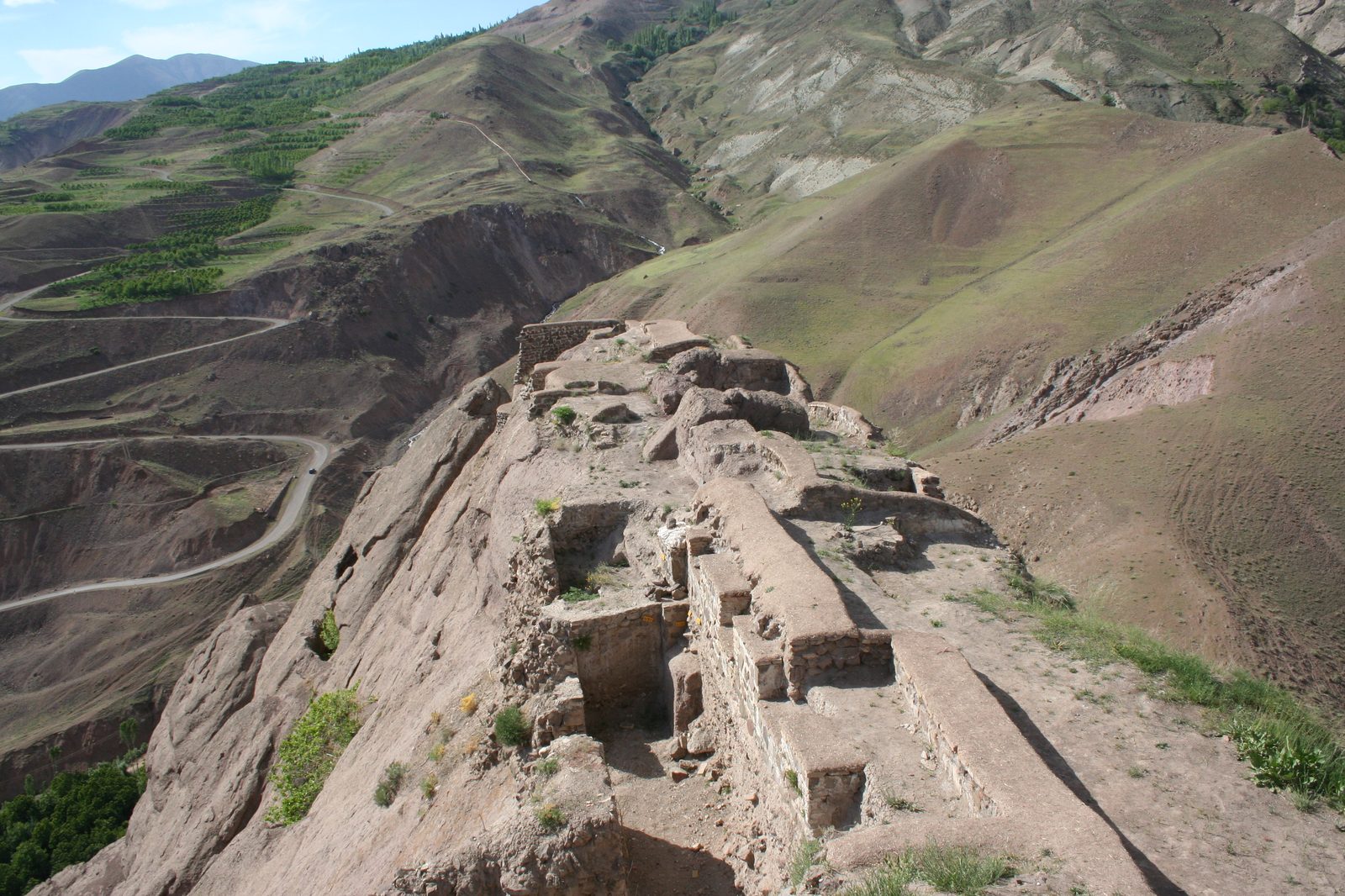
Alamut Castle (Qal'eh-ye Hasan / Castle of the Assassins)
Ruined Nizari Ismaili fortress on a sheer rock spur above Gazor Khan village, headquarters of Hassan-i Sabbah. The legendary seat of the 'Order of Assassins' (1090–1256), described by Marco Polo; centrepiece of the UNESCO Tentative List nomination. Climbable rock with sweeping valley views and surviving cisterns and wall fragments.
- Wo
- Gazor Khan
- Zeitbedarf
- 2-3 hours (including the climb up to the rock)
- Öffnungszeiten
- Reached by a steep stepped path from Gazor Khan; entrance fee and hours change seasonally — verify before travel.
- 2
Lambsar (Lambesar) Castle
Largest and most heavily fortified of the Ismaili castles, sprawling over a long ridge near Razmian in West Alamut. Considered the second-most-important and the biggest Ismaili stronghold (ridge ~480 m long); famed for its sophisticated water-storage and defensive engineering. Part of the Alamut fortifications UNESCO nomination.
- Wo
- Razmian (West Alamut)
- Zeitbedarf
- 2-3 hours
- Öffnungszeiten
- Remote; access via Razmian with a short uphill walk. Verify road condition and any entry fee before travel.
- 3
Ovan (Evan) Lake
Small spring-fed alpine lake at ~1,800 m, ringed by orchards and reed beds. Registered as a national natural heritage site; popular for boating, fishing and picnics in summer and a stop for migratory waterfowl in autumn. Fed only by springs and precipitation, with no inflowing rivers.
- Wo
- Ovan / Evan
- Zeitbedarf
- 1-2 hours
- Öffnungszeiten
- Open-access lakeside; busy with domestic tourists on summer weekends. Verify boat-rental availability before travel.
- 4
Gazor Khan village
Traditional terraced orchard village at the foot of the Alamut Castle rock. The base for visiting Alamut Castle; stepped stone houses, walnut and fruit orchards, honey and local food, and the main cluster of valley guesthouses.
- Wo
- East Alamut
- Zeitbedarf
- 1-2 hours
- Öffnungszeiten
- Verify guesthouse availability in advance, especially off-season.
- 5
Garmarud village (trek gateway)
Highland village at the eastern head of the valley, the classic start point for treks over the Alborz. Springboard for the famous Alamut-to-Caspian crossings (Garmarud to Yuj, and routes via the Salambar Pass) following old mule-paths down to the Mazandaran forests.
- Wo
- East Alamut
- Zeitbedarf
- Half day to multi-day (trek start)
- Öffnungszeiten
- Treks here require a local guide and run mainly June–September; verify conditions and arrange logistics before travel.
- 6
Salambar Pass and Caravanserai
High Alborz pass (~3,200 m) with a historic stone caravanserai on the old route to the Caspian. The crux of the trans-Alborz trek; a centuries-old shelter on the mule-path that valley women once used to reach Tonekabon, with panoramic high-mountain scenery.
- Wo
- Alborz crest (East Alamut)
- Zeitbedarf
- Trek waypoint (full day)
- Öffnungszeiten
- Snow-free and crossable only in summer; coordinates approximate — confirm route with a guide before travel.
- 7
Meymun Diz (Maymun-Dezh) fortress site
Cliff-side Ismaili stronghold, one of the last to fall to the Mongols. A dramatic conglomerate-cliff fortress associated with the final years of the Alamut state and the surrender of the last Imam; included among the region's Ismaili fortifications.
- Wo
- Shams Kalayeh area (East Alamut)
- Zeitbedarf
- 1-2 hours
- Öffnungszeiten
- Ruined and remote; exact location uncertain — verify access and guide before travel.
- 8
Alamut Valley orchard villages (Zarabad, Hir, Dikin)
Cluster of stone-built farming villages with terraced orchards and ecolodge guesthouses. Showcase Alamut rural life — hazelnut, walnut and cherry orchards, beekeeping and home cooking; good bases for slow travel and shorter walks.
- Wo
- East Alamut
- Zeitbedarf
- Half day
- Öffnungszeiten
- Coordinates approximate (village cluster); verify guesthouse openings before travel.
- 9
Alamut Valley trek (Assassins' castles)
Trek the valley of Hassan Sabbah's Assassins' castles, with an Alborz crossing to the Caspian forests. History + landscape: Assassins' castles plus a classic Alborz-to-Caspian traverse.
- Zeitbedarf
- 1–3 days