
Isfahan
Abyaneh
Das rote Dorf – ein lebendiges Museum des Iran aus Lehmziegeln
 8 Highlights · tippen Sie auf einen Punkt
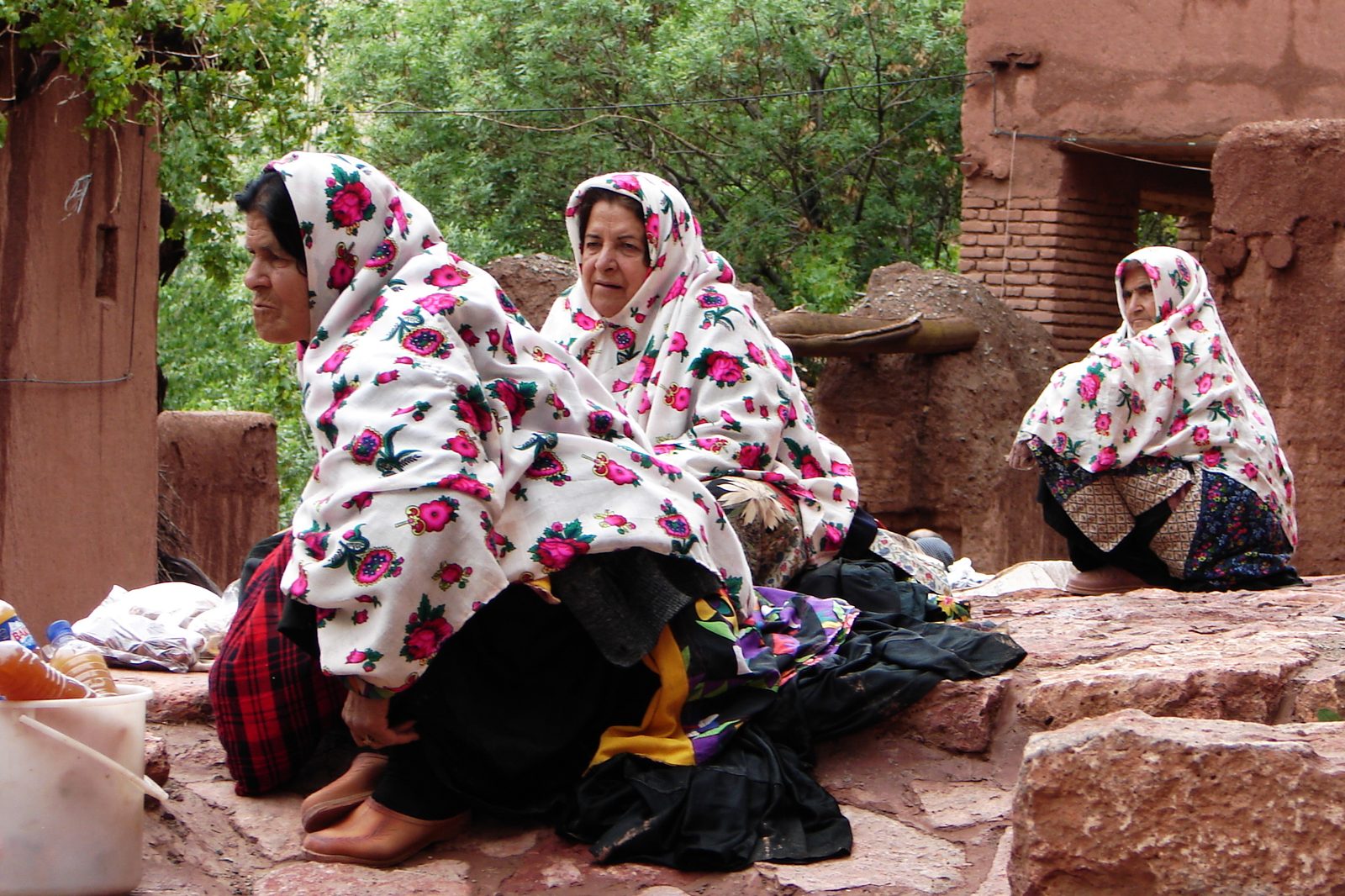
Abyaneh ist eines der ältesten durchgehend bewohnten Dörfer Irans, terrassenförmig in den Nordwesthang des Berges Karkas auf rund 2.100 m Höhe im Landkreis Natanz, Provinz Isfahan, gebaut. Seine Häuser bestehen aus eisenhaltigem rotem Lehm, der der gesamten Siedlung einen unverwechselbaren ockerroten bis karminroten Schimmer verleiht; sie staffeln sich den Hang hinauf in einem Labyrinth steiler, gestufter Gassen mit Gitterfenstern und hölzernen Balkonen. Berühmt ist das Dorf für seine kulturelle Kontinuität: Ältere tragen noch immer eine unverwechselbare traditionelle Tracht (Frauen weiße geblümte Kopftücher und farbenfrohe knielange Röcke), sprechen einen archaischen zentraliranischen Dialekt, der mittelpersische Züge bewahrt hat, und pflegen sassanidisches und zoroastrisches Erbe neben späteren islamischen Bauwerken. Abyaneh steht auf der iranischen Tentativliste für das UNESCO-Welterbe und wird oft als anthropologisches Freilichtmuseum bezeichnet.
Nächste 5 Tage
Top-Sehenswürdigkeiten
- 1
Red mud-brick stepped village core
The terraced maze of ochre-red houses, steep alleys, wooden balconies and lattice windows that defines Abyaneh. The iron-rich red clay architecture climbing the hillside is the village's signature and the reason for its 'Red Village' nickname and tentative World Heritage status.
- Wo
- Village center
- Zeitbedarf
- 2-3 hours
- Öffnungszeiten
- Open-air village, walkable any time; verify before travel.
- 2
Jameh (Friday) Mosque of Abyaneh
11th-century Seljuk-era congregational mosque with a celebrated carved walnut-wood mihrab dated 1084 CE. Abyaneh's oldest mosque; the intricately carved walnut mihrab with calligraphy and floral motifs is a rare survival and a national treasure.
- Wo
- Village center
- Zeitbedarf
- 20-30 min
- Öffnungszeiten
- Hours vary; remove shoes and dress modestly - verify before travel.
- 3
Harpak Fire Temple
Small Zoroastrian fire temple on the village's main alley, considered the oldest monument in Abyaneh. Tangible evidence of the village's pre-Islamic Sassanid Zoroastrian past and a highlight cited in the UNESCO tentative-list description.
- Wo
- Main alley
- Zeitbedarf
- 15 min
- Öffnungszeiten
- Modest unmarked structure; verify access before travel.
- 4
Hajatgah Mosque
Safavid-era mosque in the western part of the village with a balcony courtyard and a wooden-columned night-prayer hall. Offers fine carved-wood interior columns and a balcony with sweeping views over the surrounding Karkas mountains.
- Wo
- Western village
- Zeitbedarf
- 20 min
- Öffnungszeiten
- Hours vary; dress modestly - verify before travel.
- 5
Imamzadeh / Ziaratgah Shrine
Peaceful Shia pilgrimage shrine said to hold descendants (Isa and Yahya) of Imam Musa ibn Ja'far, with veranda, courtyard and pool. Active local pilgrimage site showing the village's Shia Islamic layer; serene atmosphere and traditional architecture.
- Wo
- Village
- Zeitbedarf
- 15-20 min
- Öffnungszeiten
- Respect worshippers; dress modestly - verify before travel.
- 6
Hilltop Sassanid fort ruins (Palahamooneh / Pala forts)
Remains of old fortifications, including a Sassanid-era fort, on high ground above the village. Underline Abyaneh's strategic ancient origins and reward a short uphill walk with panoramic views over the red rooftops.
- Wo
- Above village
- Zeitbedarf
- 30-45 min
- Öffnungszeiten
- Ruined and unfenced; sturdy shoes recommended - verify path before travel.
- 7
Porzaleh Mosque
Ilkhanate-era mosque dated to 1302 CE, among the village's older religious buildings. Adds a 14th-century Mongol-period layer to the village's stratified Islamic architecture.
- Wo
- Village
- Zeitbedarf
- 15 min
- Öffnungszeiten
- Hours vary; verify access before travel.
- 8
Karkas mountain trails
Hiking and nature trails through the green hills and valleys surrounding the village. High-altitude scenery, seasonal greenery/blossom, and elevated vantage points perfect for photography and nature walks.
- Wo
- Surrounding mountains
- Zeitbedarf
- 1-3 hours
- Öffnungszeiten
- No formal facilities; bring water and check conditions - verify before travel.
Unterkünfte in Abyaneh
Ab $11 pro Nacht, unser Service inbegriffen